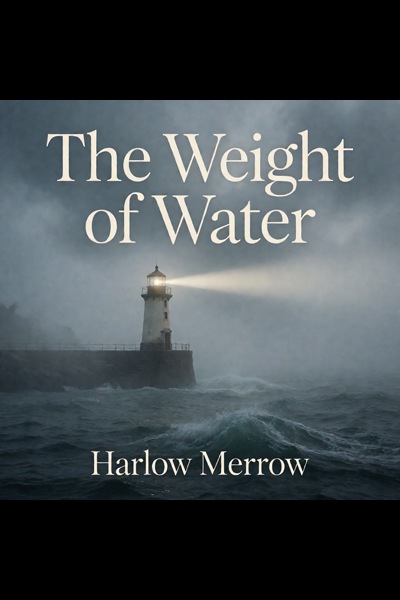
The Weight of Water
The ferry Ashland groaned against the pilings of Ashcombe Harbor at 0742, and Elena Voss stood at the rail with her back to the water, watching the town surface through the mist. She had not expected the estate to smell of brine and old paper. She had not expected the dead man, Gerald Ashford, to have left behind a family ledger in which his own name appears four times under four different identities. By the time Detective Cullen March arrives with the coroner's second report, the discrepancy has become something worse: a body in the harbor dredge that matches none of the Ashfords on record, but matches, unmistakably, a man who died nineteen years ago in a fishing accident off the North Downs. The investigation pulls through Captain Dale Hutchins' fog-worn testimony, Dr. Lena Moreau's medical notes, Margaret Chen's accounting of the estate's debts, and the silent, damning photograph of Clara Whitfield held by a woman who has not spoken her name aloud since 2003. Every thread leads back to Silas Crane, or rather, to the man who was Silas Crane before the water took his name and gave him Harlan Briggs. As March follows the records through the Archives, the lighthouse logbooks, and the dredging reports, he discovers that the estate's entire foundation rests on a crime the town sealed into its pilings. Now the tide is shifting, the harbor authority is pressing for a final dredge date, and March faces a choice that will either reopen a nineteenth-anniversary case or confirm that some things are meant to stay where the water put them. The weight of water is not its depth. It is the pressure it builds when you try to hold your breath long enough to pretend the surface is still.